Sung Lee Orthodontics

Specializing in Orthodontics for Children & Adults

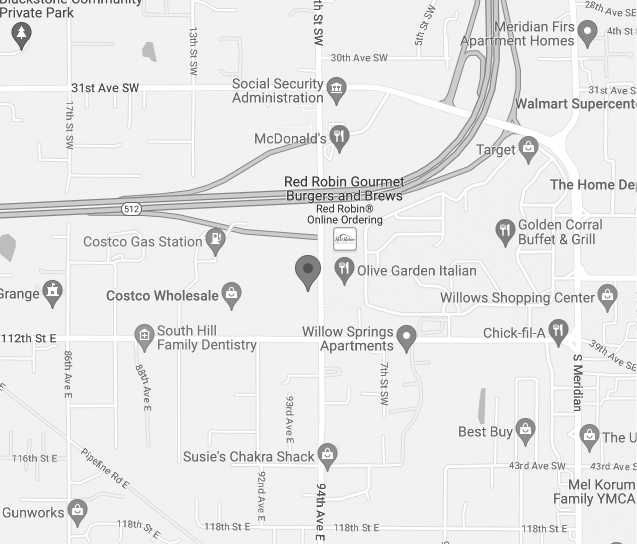
Review Us on Google Places 3712 9th St. SW Suite #1
Puyallup, WA 98373
GIVE US A CALL:
(253) 864-4840

Our Blog

Heading Back to School? Save Some Room in Your Backpack!

August 3rd, 2022

If you’re heading back to classes in the next few weeks, you’re probably getting your gear together now. So let’s talk about some of the items you can pack to make orthodontic care easier during school hours.

  • Dental-Healthy Food

Watching what foods you eat is especially important now. If you’re carrying your lunch or snacks in your pack, you want to be sure that they’re approved for braces and aligners.

If you wear braces, avoid foods which are sticky, chewy, or crunchy. They can stick to your teeth (making it easier for cavities to develop) or cause damage to your brackets and wires (making repairs necessary). Your orthodontist will give you a list of braces-friendly foods.

If you have clear aligners, even though you’ll remove them to eat, that sticky rule still applies. You don’t want food trapped in your aligners if you can’t brush right after eating, because that food is also food for the oral bacteria which cause cavities.

Bringing a water bottle with you is a great idea if it’s hard to brush after eating. Rinsing with water is a good way to get rid of loose food particles, and staying hydrated helps maintain normal saliva production—which also helps wash away food debris.

  • Toothbrush, Toothpaste, and Floss

It’s best to clean your teeth after every snack and meal if at all possible. A travel-sized brush, toothpaste, and dental floss or picks designed for braces will help you get rid of any unwanted dental leftovers. And a small mirror can help you discover any lingering food particles.

It’s especially important now to practice careful hygiene, so be sure to wash your hands before and after cleaning your teeth or appliances.

  • Your Aligner or Retainer Case

Whenever you take off your retainer or aligners to eat, you should always have your case handy. Cases make sure your appliances stay off germy desk and table surfaces—or worse, floors—and protect them from breakage. A case is also a good way to make sure your retainer doesn’t accidentally end up in a trash bin after lunch.

Again, before and after you handle your braces, aligners, or retainer, be sure to wash your hands carefully.

  • Dental Wax & Extra Bands

Sometimes a wire comes loose or a bracket irritates the inside of your cheeks or mouth. In this case, dental wax is a great way to protect yourself from irritation and injury. And if a band is lost or breaks, it’s always good to have a spare (or two) handy. As always, handwashing rules apply!

  • Your Mouth Guard

If your afterschool activities involve contact sports, a mouthguard is always a good idea, and especially when you wear braces. Dr. Sung Lee can create a custom guard which will protect your teeth, your delicate mouth tissue, and your braces from many impact injuries.

  • Your Orthodontist’s Phone Number

One important item that takes up almost no space in your backpack, locker, or phone is the phone number for our Puyallup, WA office. If your braces are damaged, or if your aligner or retainer is lost or broken, we will let you know what to do until you can safely visit the office in person.

Talk to our team about how to care for your braces or aligners while you’re at school, and talk to your school about how you can manage your dental care safely during school hours.

Common Malocclusions

July 27th, 2022

When we think orthodontics, we commonly think teeth. Naturally! Straight teeth and a beaming smile are everyone’s orthodontic goal. But orthodontics is a field which specializes in more than misaligned teeth. While your beautifully aligned teeth are the visible outcome of your orthodontic work, a properly aligned bite is the foundation for your healthy smile.

A malocclusion occurs when the teeth and jaws aren’t properly aligned—they don’t fit together the way they should when the mouth is closed. A malocclusion, or bad bite, affects many people to some degree, but not always in exactly the same way. Some of the different types of malocclusion include:

  • Crossbite

A crossbite occurs when upper teeth fit inside lower teeth. An anterior crossbite refers to the front teeth, with one or more upper front teeth, or incisors, fitting behind lower front teeth. A posterior crossbite affects the back teeth, with upper teeth fitting inside the lower teeth on one or both sides of the jaw.

  • Crowding

When the jaw is small and/or the teeth are large, lack of space can result in crowded, twisted, or crooked teeth.

  • Open bite

An anterior open bite means that the front teeth don’t close when biting down, leaving an open space between the upper and lower teeth. A posterior open bite occurs when the back teeth don’t make contact when the front teeth close.

  • Overbite

Our upper front teeth naturally overlap the lower ones a small bit when the teeth are closed. An overbite occurs when the upper teeth significantly overlap the lower teeth.

  • Overjet

When the upper front teeth protrude too far forward over the bottom teeth, it’s called an overjet, or, sometimes, buck teeth. Where an overbite causes a vertical overlap, an overjet takes into account the horizontal relationship of the teeth.

  • Spacing

A jaw that is large, teeth that are small, missing teeth—these conditions can lead to gaps between the teeth.

  • Underbite

An underbite results when the lower teeth and jaw extend further forward than the upper teeth and jaw, causing the bottom teeth to overlap the top teeth.

If you have a malocclusion, what comes next? This depends.

Some malocclusions are so minor that no treatment is necessary. Some are the result of misaligned teeth. Some occur because the upper and lower jaws are growing at different rates. Some are a combination of teeth and jaw misalignments. Some are caused by genetics, while others are caused by injuries or habits like prolonged thumb sucking or tongue thrusting.

Because malocclusions are so varied, your treatment plan will be designed for your specific needs. Braces, aligners, appliances like the Herbst® appliance or the palatal expander, surgery for severe malocclusions—there is a larger variety of treatment options than ever before to help you achieve a healthy bite.

When teeth and jaws don’t fit together as they should, the consequences can be damaged teeth and enamel, problems with the temporomandibular joint, headaches and facial pain, and difficulty chewing, eating, and speaking.

The good news is that early intervention for children can help correct teeth and jaw problems before they become more serious, leading to easier orthodontic care in the teen years, and helping to avoid the possibility of surgery or extractions. This is why Dr. Sung Lee and our team recommend an orthodontic assessment at our Puyallup, WA office for children around the age of seven.

If you’re an adult with concerns about your teeth or bite, there’s good news for you, too. Dr. Sung Lee can devise a treatment plan to improve your bite and your smile no matter what your age.

Of course, despite our title, there’s really no such thing as a “common malocclusion” when we’re talking about your dental health. Each person—and each smile—is unique. Dr. Sung Lee will diagnose your malocclusion and create a personalized plan carefully tailored to your exact needs, for an uncommonly attractive, confident, and healthy smile.

Permanent or Removable Retainers: Which is right for you?

July 20th, 2022

When the time comes for Dr. Sung Lee to remove your braces, it is very exciting. Unfortunately, it can be somewhat confusing, too, because you are faced with choosing between two kinds of retainers. Should you go with permanent, removable, or a combination of the two? It is always wise to follow Sung Lee Orthodontics recommendations, but knowing more about the two types of retainer beforehand can be helpful.

Removable Retainers

Removable retainers offer the advantage of easy use: you will generally put a removable retainer in at night and take it out in the morning. Regardless of your retainer schedule, you'll be able to enjoy some time with no retainer. However, a removable retainer can easily be forgotten at times, and this means you won't be taking full advantage of teeth retention.

Another potential advantage of a removable retainer is that you can take it out and brush and floss your teeth with ease, which is more of a challenge with a permanent retainer. Although removable retainers can be very effective, they don't tend to be as effective as permanent retainers, especially if they are not used as directed.

Permanent Retainers

Permanent retainers are the clear choice for patients who want to “get it and forget it.” Once your permanent retainer is placed in your mouth, you won’t need to worry about daily retainer schedules, since it is permanently affixed to your teeth.

Because teeth begin to shift naturally as we age, a permanent retainer typically offers better long-term results for teeth straightening than a removable one. You can't forget to put it in — it's already there! Temporary retainers get lost or are forgotten on trips, and often fail to get used as often as they should be.

One drawback to permanent retainers is flossing. Some patients find it more difficult to floss with a permanent retainer, but we can show you effective ways to floss fairly quickly with your permanent retainer.

Some orthodontists may recommend a combination of the two; for example, a removable retainer for the top teeth and a permanent one for the lower ones because the lower teeth are smaller and tend to shift more.

Ultimately, the most important thing to remember is that wearing your retainer as directed is extremely important. As long as you follow our orthodontist’s advice, you will get the best results from your retainer, regardless of its type. If you’re still not sure whether the choice you’ve made is truly right for you, get in touch with us at our Puyallup, WA location right away!

The Importance of Orthodontic Treatment at a Young Age

July 13th, 2022

When you think of orthodontic treatment, you may automatically assume that it only relates to older children and teens with alignment and spacing issues. But this isn’t the case: Orthodontic treatment at Sung Lee Orthodontics offers many benefits when applied at a young age.

By considering orthodontic treatment at a younger age, Dr. Sung Lee and our staff are able to identify your child’s alignment issues early on, and are able to intervene in order to provide treatment as the teeth begin to develop. It is important to start dental care early, not only for proper dental health and the cosmetic benefits, but to improve a child’s overall health as well.

The Benefits of Straighter Teeth

Besides the cosmetic benefits, there are multiple advantages to starting orthodontic treatment at a young age:

  • It can reduce the extent of orthodontic treatment needed later.
  • With early treatment, the pediatric dentist helps guide the teeth into their right position to prevent the removal of teeth and improve an overbite, underbite, or crossbite.
  • Straighter teeth are easier to clean and better for preventing tooth decay.
  • As a benefit to you, the parent, your child’s orthodontic expenses will be much lower with early treatment.
  • Lastly, much early treatment is covered by dental insurance.

Stages of Orthodontic Treatment

Multiple stages are included in early orthodontic treatment, with three stages in all:

The first stage is early treatment that starts around age two or three, and continues until the child is around six years old. This stage deals with preventive measures, such as avoiding bad habits that lead to crooked teeth and creating a plan for the future based on how the teeth are growing in.

During stage two, when the child is six to 12 years old, the first permanent teeth erupt and the dentist looks at possible early treatment for misalignment or bite issues.

Finally, stage three occurs during adolescence to correct any further problems with permanent teeth.

Dr. Sung Lee and our staff are able to see how the teeth first erupt and know right away whether or not your child will need to have braces later on. Early treatment means fewer procedures, cleaner teeth, and less expense.

Back to Top